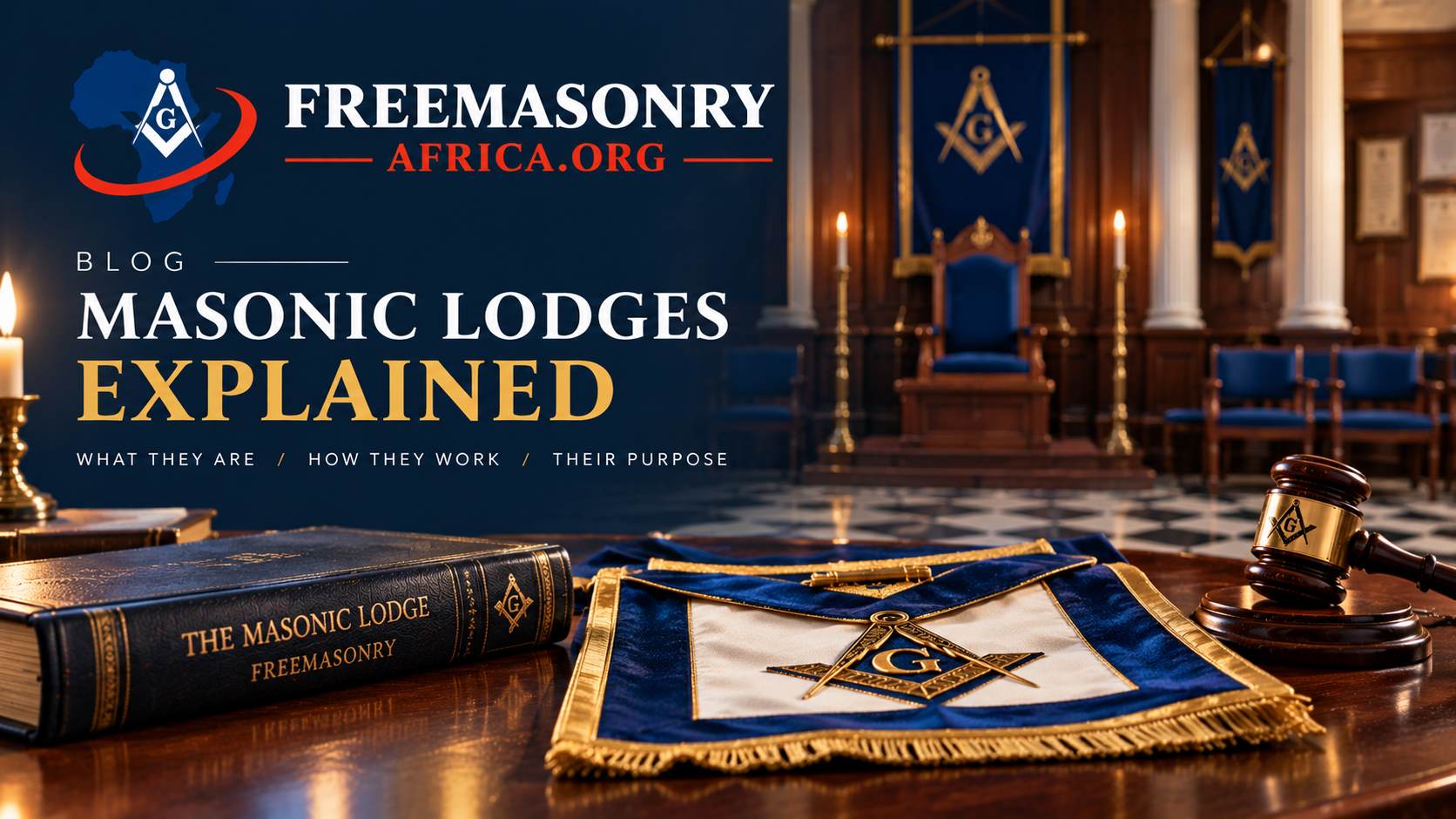
Masonic Lodges Explained: How They Work, Meet and Preserve Tradition
A Masonic Lodge is more than a meeting place. It is the local setting where Freemasons gather for ceremonies, fellowship, education and charitable activities. Across different countries and communities, Lodges provide a structure through which members practise the traditions and principles associated with Freemasonry.
But what exactly happens in a Lodge, how is it organised, and what makes each Lodge distinctive?
What Is a Masonic Lodge?
A Masonic Lodge is a local group of Freemasons that meets under a recognised constitution or governing authority. The word “Lodge” can refer both to the group of members and to the place where they meet.
Although Lodges share certain traditions, their individual histories, membership, meeting arrangements and community activities can differ.
A Masonic Lodge brings together tradition, fellowship and the shared responsibility of its members.
Lodges generally operate according to established rules, ceremonies and procedures. Their activities are guided by the constitution under which they are recognised, rather than by a single worldwide governing body.
How Is a Masonic Lodge Organised?
Every Lodge has officers who perform specific duties to support its meetings and administration. Their responsibilities may include leading proceedings, managing records, overseeing finances and helping members understand Masonic customs.
The Worshipful Master
The Worshipful Master presides over Lodge meetings during their term of office. The role involves leadership, maintaining order during proceedings and helping the Lodge carry out its responsibilities.
The title is a traditional Masonic form of address and does not refer to religious worship.
Lodge Officers
Other officers assist with ceremonies, communication, finances, records and the practical organisation of meetings. The precise offices and duties depend on the constitution and the Lodge's established practices.
Lodge Members
Members contribute through attendance, participation, fellowship and support for Lodge activities. Some take on leadership responsibilities over time, while others contribute through experience, mentoring and service.
The effective running of a Lodge depends on cooperation between its officers and members.
What Happens During a Lodge Meeting?
Lodge meetings follow established procedures, but their content can vary depending on the occasion and the governing constitution.
Typical activities may include:
- Formal proceedings: Meetings are conducted according to the Lodge's rules and traditions.
- Masonic ceremonies: Ceremonies mark important stages in a member's Masonic journey.
- Education: Members may discuss Masonic history, symbolism, ethics and the meaning of traditional teachings.
- Administration: Lodges address correspondence, finances, upcoming events and other organisational matters.
- Fellowship: Members spend time together and strengthen relationships within the Lodge.
Not every meeting has the same purpose. Some focus on formal ceremonies, while others concentrate on administration, learning or social activities.
Why Do Masonic Lodges Have Different Names and Numbers?
Lodge names and numbers help distinguish one Lodge from another. Names may reflect a location, historical association, person or traditional reference. Numbers are generally connected to the Lodge's place in the records of its governing authority, although numbering practices differ between jurisdictions.
A Lodge's number should not automatically be interpreted as its age, size or level of importance. Changes in jurisdictional arrangements and historical records can also affect how Lodge numbers are understood.
In East Africa, Lodge histories are connected to the wider development of Freemasonry in the region. Individual Lodges may preserve records of their establishment, past officers, notable events and contributions to their communities.
Masonic Lodges in Kenya and Across Africa
Freemasonry has a varied history across Africa, shaped by colonial-era institutions, local communities and the development of different Masonic jurisdictions. Today, the organisation and activities of Lodges depend on their respective constitutions and governing authorities.
In Kenya, a Lodge may have its own history, traditions, meeting arrangements and membership community while operating within a wider Masonic structure.
Across the continent, it is important to recognise that African Freemasonry is not a single uniform organisation. Lodges may operate under different constitutions, and their customs, administrative structures and relationships with regional authorities can vary.
Understanding a particular Lodge therefore requires more than knowing its name. Its history, constitution and recognised governing authority provide important context.
What Makes One Lodge Different From Another?
Although Lodges share certain Masonic traditions, they are not identical. Their character may be shaped by several factors.
History and Heritage
Some Lodges have preserved historical documents, photographs, minute books and records of past members for generations. These materials help explain how the Lodge developed and how it relates to the surrounding community.
Membership and Fellowship
Each Lodge has its own group of members, with different professional experiences, interests and backgrounds. The relationships members develop can influence the Lodge's social atmosphere and activities.
Education and Participation
Some Lodges may place particular emphasis on presentations, historical research or discussions of Masonic symbolism. Others may have different patterns of educational and social activity, within the requirements of their governing authority.
Community Engagement
Charitable work and support for community initiatives may form part of a Lodge's activities. The nature and scale of this work vary, so specific claims should be based on documented activities rather than assumptions about all Lodges.
Visiting a Masonic Lodge: What Should You Know?
People who are curious about Freemasonry may wonder whether they can visit a Lodge. Access depends on the Lodge, the type of meeting and the rules of its governing authority.
Some events or public activities may welcome visitors, while formal Lodge meetings are generally subject to membership and access requirements.
Anyone researching a Lodge can begin by looking for its recognised website or governing authority, checking its history and learning whether it offers public information sessions or visitor opportunities.
It is also reasonable to ask about meeting schedules, general expectations and any applicable costs before making a commitment.
Common Questions About Masonic Lodges
Is a Masonic Lodge the same as a Grand Lodge?
No. A local Lodge is a group of Freemasons that meets under a governing constitution. A Grand Lodge is a wider governing body responsible for the Lodges under its authority. Not every Masonic jurisdiction uses identical organisational titles or arrangements.
Does every Masonic Lodge follow the same rules?
No. Lodges follow the regulations of their respective constitutions and governing authorities. Shared traditions exist, but procedures and organisational structures can differ.
Are Masonic Lodges religious institutions?
Freemasonry is not generally described as a religion, and a Lodge is not ordinarily a place of worship. Religious expectations and practices can vary by jurisdiction, so anyone seeking membership should consult the relevant authority for its specific requirements.
Do Masonic Lodges undertake charitable work?
Many Lodges and Masonic organisations support charitable causes, but the activities differ. The best way to understand a particular Lodge's contribution is to review its documented projects, reports or public statements.
How can someone learn more about a particular Lodge?
Start with the Lodge's name and number, its location, its published history and the governing authority under which it operates. These details can help distinguish it from similarly named Lodges and provide a clearer picture of its traditions.
Preserving the Lodge for Future Generations
Masonic Lodges connect present-day members with traditions that have developed over time. Through their records, ceremonies, educational activities and relationships, they preserve aspects of their history while continuing to serve their members and, where applicable, their communities.
Understanding a Lodge means looking beyond its meeting room or name. Its organisation, history, people and responsibilities all contribute to its identity.
For anyone exploring Freemasonry in Kenya or elsewhere in Africa, learning about individual Lodges offers a practical way to understand the diversity of Masonic life and the traditions that connect it across generations.