
History of Freemasonry
The History of Freemasonry
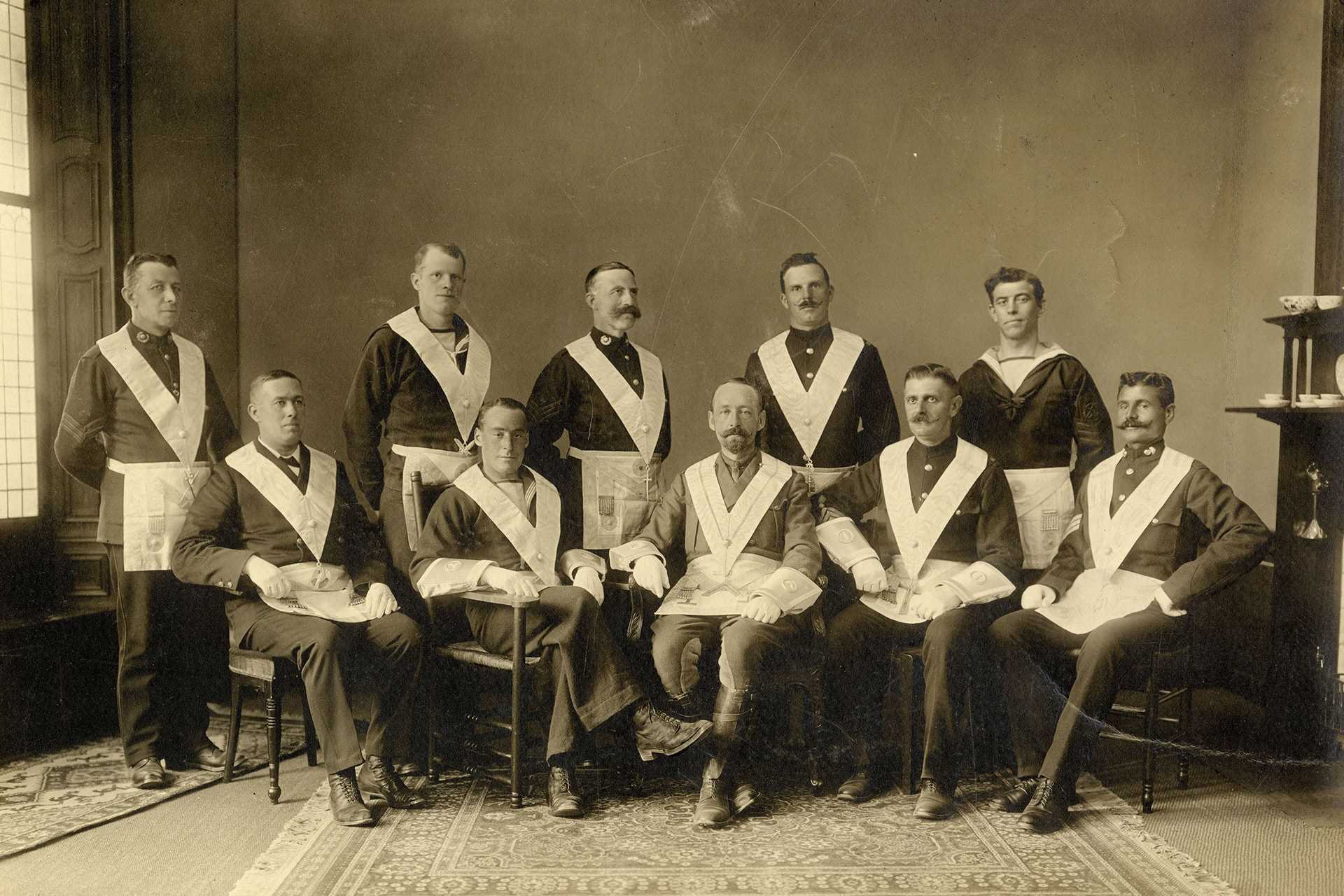
Freemasonry is one of the world’s oldest fraternal organizations. Its history combines elements of documented historical development, medieval traditions, moral symbolism, and centuries of fellowship and charitable service. Although many legends and traditions are associated with its origins, historians generally trace the development of modern Freemasonry to the transformation of medieval stonemasons’ guilds into speculative Masonic lodges during the seventeenth and eighteenth centuries.
Medieval Origins
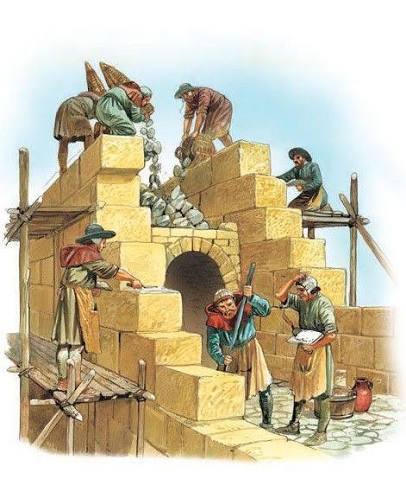
During the Middle Ages, skilled stonemasons traveled between towns and kingdoms to construct cathedrals, castles, monasteries, and other important buildings. These craftsmen formed lodges and guilds that regulated training, protected professional knowledge, and maintained standards of workmanship. Apprentices progressed through stages of learning under the guidance of experienced masons, creating traditions that later influenced Masonic ceremonial structures.
From Operative to Speculative Freemasonry
By the seventeenth century, lodges in Scotland and England increasingly began admitting men who were not working stonemasons. These members were attracted by the moral teachings, symbolism, and fellowship of the lodges. As this transition continued, Freemasonry evolved from an operative craft concerned with building in stone to a speculative fraternity focused on building character and promoting ethical principles.
Symbols such as the square, compasses, level, and plumb rule came to represent moral lessons rather than professional tools alone. The emphasis shifted toward integrity, self-improvement, brotherhood, and service to others.
The Formation of the First Grand Lodge
A major milestone occurred in 1717, when four lodges in London came together to form what is generally regarded as the first Grand Lodge of modern Freemasonry. This event marked the beginning of organized Grand Lodge governance and helped establish a framework for regulating lodges, preserving ceremonies, and promoting unity among members.
The Union of 1813 and UGLE
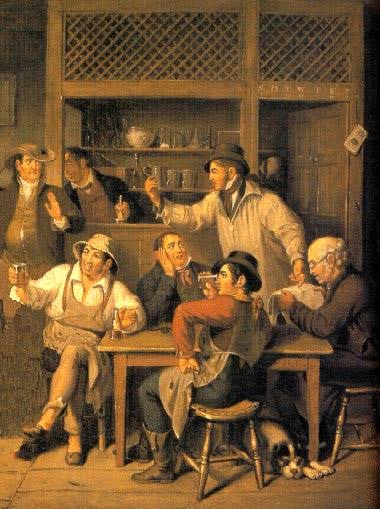
During the eighteenth century, differences in practice led to the existence of two English Grand Lodges, commonly known as the "Moderns" and the "Antients." After years of separate administration, the two bodies united in 1813 to form the United Grand Lodge of England (UGLE). This union created a single governing authority for regular Freemasonry under the English Constitution and had a lasting influence on Freemasonry around the world.
Freemasons’ Hall in London became an important center of Masonic administration, education, and ceremonial activity.

Expansion Across the World
As Britain’s global connections expanded, Freemasonry spread to Europe, the Americas, Asia, Africa, and other regions. Lodges were established in ports, military centers, trading towns, and colonial settlements. Over time, many countries formed their own Grand Lodges while maintaining fraternal relationships with other recognized Masonic jurisdictions.
Freemasonry in East Africa
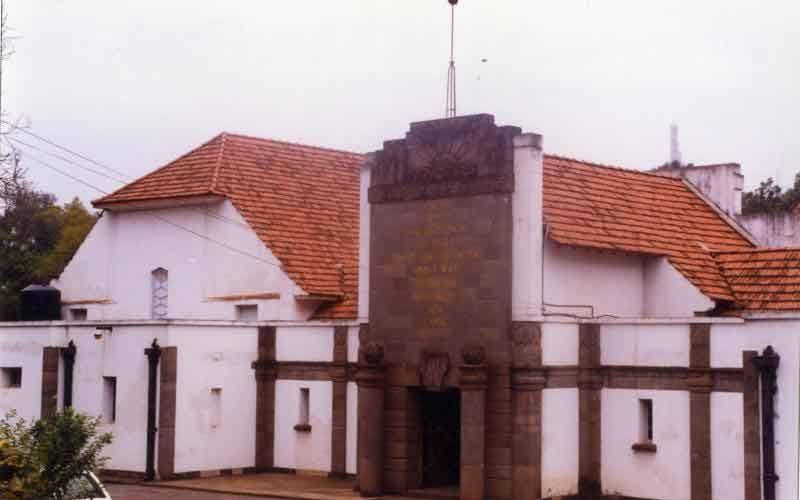
Freemasonry arrived in East Africa through lodges working under the English, Scottish, and Irish Constitutions. In Kenya, some of the earliest lodges were established in Mombasa and Nairobi during the early twentieth century. As the number of lodges grew, the District Grand Lodge of East Africa (DGLEA) was constituted by UGLE in 1923 to provide leadership and administration for lodges under the English Constitution in the region.
These lodges contributed not only to Masonic fellowship and education but also to charitable and community initiatives throughout East Africa.
Masonic Principles Through the Centuries
Despite changes in society and geography, Freemasonry has consistently emphasized the principles of Brotherly Love, Relief, and Truth. Members are encouraged to practice integrity, respect, charity, tolerance, and personal responsibility in their daily lives.
A Brief Historical Timeline
- Middle Ages: Operative stonemasons’ guilds and lodges flourish across Europe.
- 1600s: Non-operative members begin joining lodges.
- 1717: First Grand Lodge formed in London.
- 1751: Antients Grand Lodge established.
- 1813: United Grand Lodge of England formed.
- Early 1900s: Freemasonry expands in East Africa.
- 1923: District Grand Lodge of East Africa constituted.
- Present Day: Freemasonry continues as a worldwide fraternity focused on fellowship, education, charity, and moral development.
Freemasonry Today
Modern Freemasonry is a global fraternity whose members come from many professions, cultures, and backgrounds. Lodges continue to meet for fellowship, ceremonial work, education, charitable activities, and community service. While its traditions are rooted in history, Freemasonry remains focused on helping individuals develop morally and contribute positively to society.
Understanding the history of Freemasonry helps place its ceremonies, symbols, and charitable traditions in context and reveals how a fraternity that began with medieval craftsmen evolved into a worldwide community dedicated to friendship, integrity, learning, and service.
Why Study Masonic History?
Learning the history of Freemasonry provides valuable context for its symbols, ceremonies, charitable traditions, and moral teachings. It shows how a fraternity that began with medieval stonemasons developed into a worldwide community dedicated to fellowship, integrity, education, and service.