Masonic Resources
Educational guides, history, symbolism, charity, and Masonic learning materials
DGL East Africa
Learn about the District Grand Lodge of East Africa, its history, governance, leadership, charitable work, and its role in supporting regular Freemasonry in Kenya and the wider East African region.
East Africa Masonic Fund
Explore the charitable initiatives of the East Africa Masonic Fund, including education support, medical assistance, family welfare, disaster relief, and community development projects.
About UGLE
Discover the history, structure, values, charitable work, and worldwide influence of the United Grand Lodge of England and its role in regular Freemasonry.
The Royal Arch
Understand the history, symbolism, teachings, and structure of the Holy Royal Arch and its close relationship with Craft Freemasonry under the English Constitution.
Women Freemasons
Learn about women’s Masonic organisations, their history, fellowship, charitable work, educational activities, and their place within the wider Masonic family.
History of Freemasonry
Explore the journey of Freemasonry from medieval stonemasons to the formation of Grand Lodges, the establishment of UGLE, and the growth of Freemasonry in East Africa.
Interesting Masonic Facts
Fascinating facts about the history, traditions, symbolism, and global influence of Freemasonry
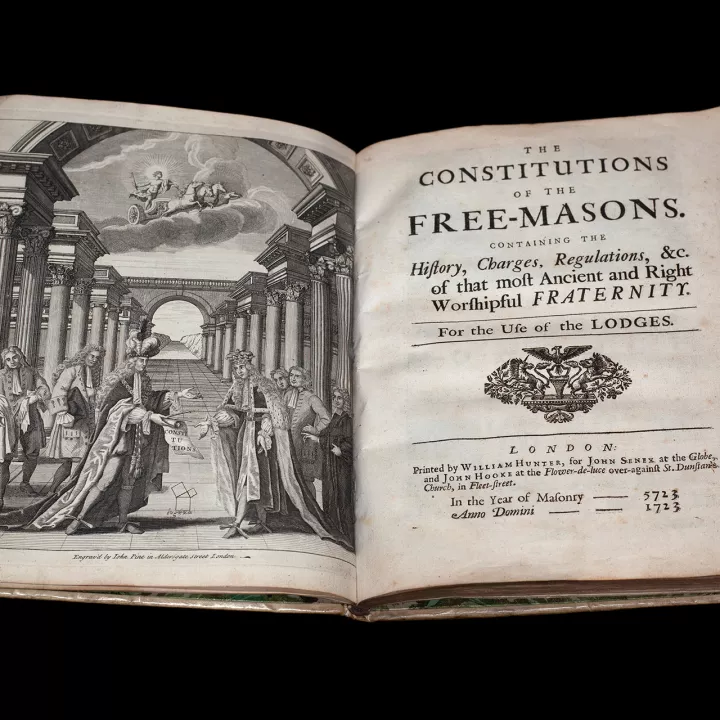
The First Grand Lodge Was Formed in 1717
Modern organized Freemasonry traces its origins to London in the early eighteenth century.
In 1717, four lodges in London came together to form what is generally regarded as the first Grand Lodge of modern Freemasonry. This event marked the beginning of organized Masonic governance and helped shape the structure used by many Grand Lodges around the world today.
UGLE Was Created Through a Historic Union
Two English Grand Lodges united to form a single governing authority.
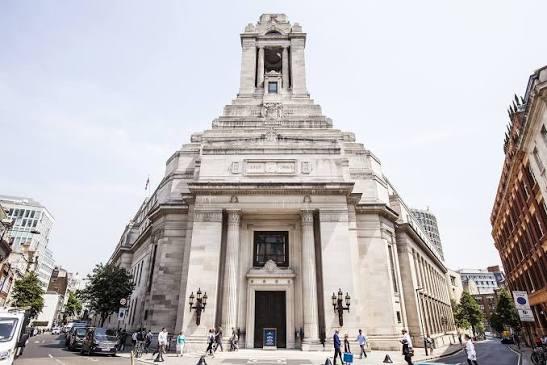
The United Grand Lodge of England was established in 1813 after the union of the "Antients" and the "Moderns" Grand Lodges. This historic reconciliation created the foundation for regular Freemasonry under the English Constitution and influenced Masonic practice across the world.
Freemasonry Has Been Present in East Africa for Over a Century
Masonic lodges were established in East Africa during the early twentieth century.
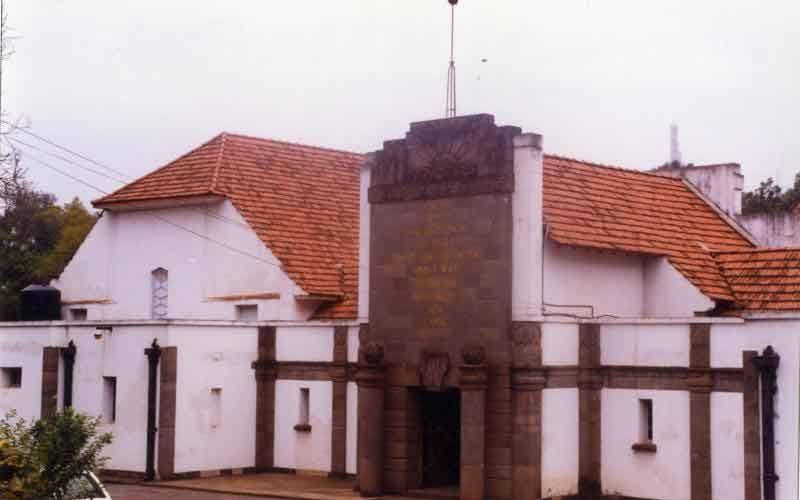
Lodges under the English, Scottish, and Irish Constitutions became established in Nairobi, Mombasa, and other parts of East Africa during the early 1900s. In 1923, the District Grand Lodge of East Africa was constituted to provide leadership and support for lodges working under the English Constitution.
Masonic Symbols Carry Moral Meanings
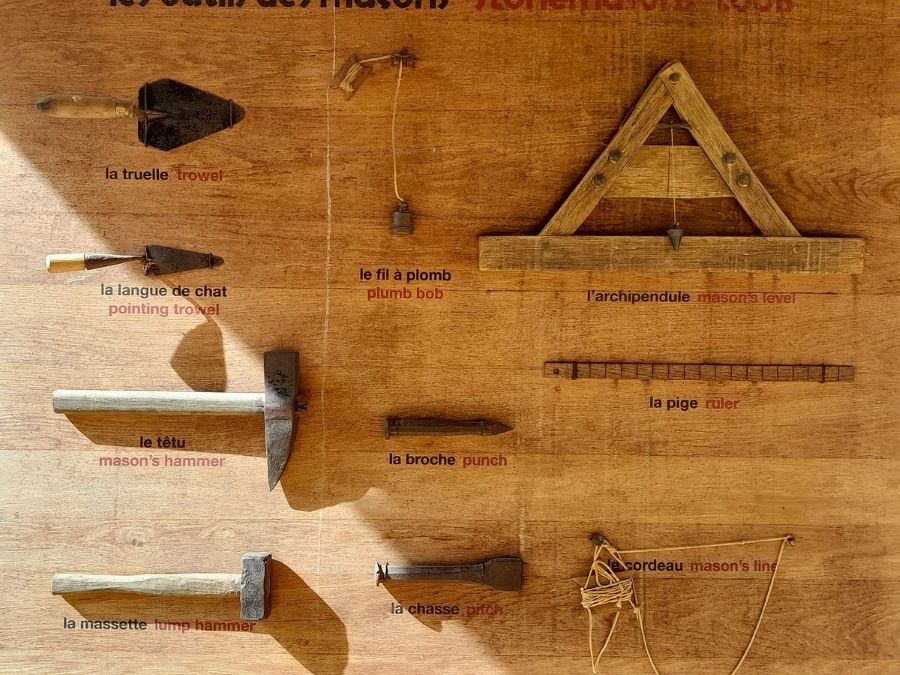
The tools of ancient stonemasons became symbols of character and conduct.
The square, compasses, level, plumb rule, and other traditional tools are not used as secret codes. In Freemasonry they represent moral and ethical lessons such as honesty, fairness, self-control, balance, and integrity. These symbols help teach principles intended to guide daily life.
Charity Is a Central Part of Freemasonry
Masonic charity extends from local communities to international relief efforts.
Freemasons around the world support educational programs, healthcare initiatives, disaster relief, family welfare, and many other charitable causes. In East Africa, Masonic charitable work has included assistance to schools, hospitals, vulnerable families, and community development projects.